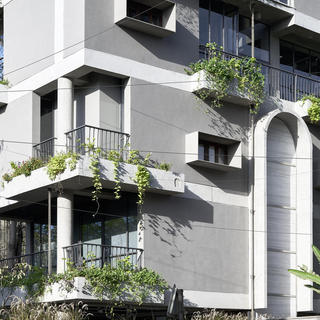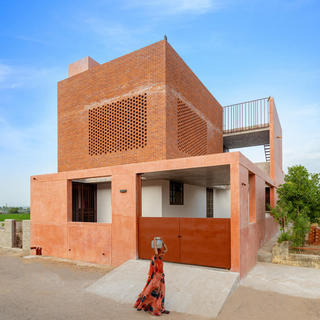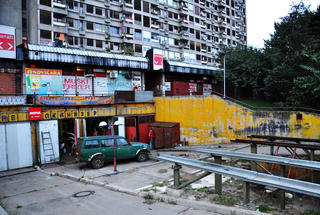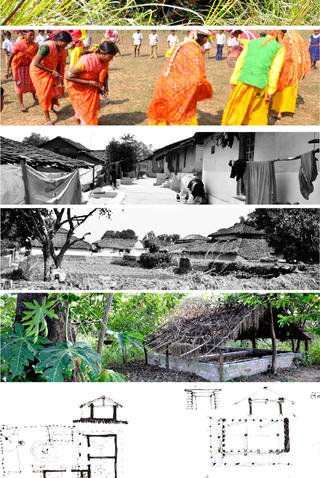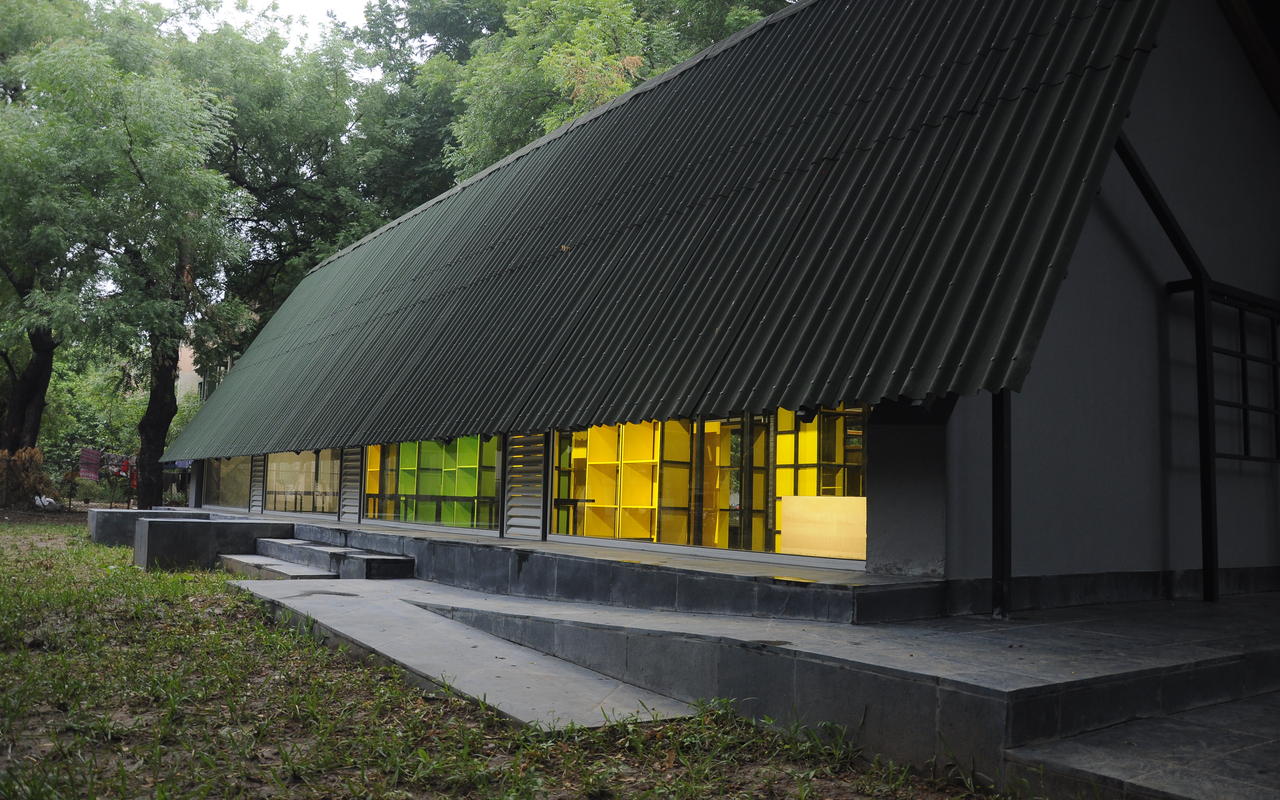
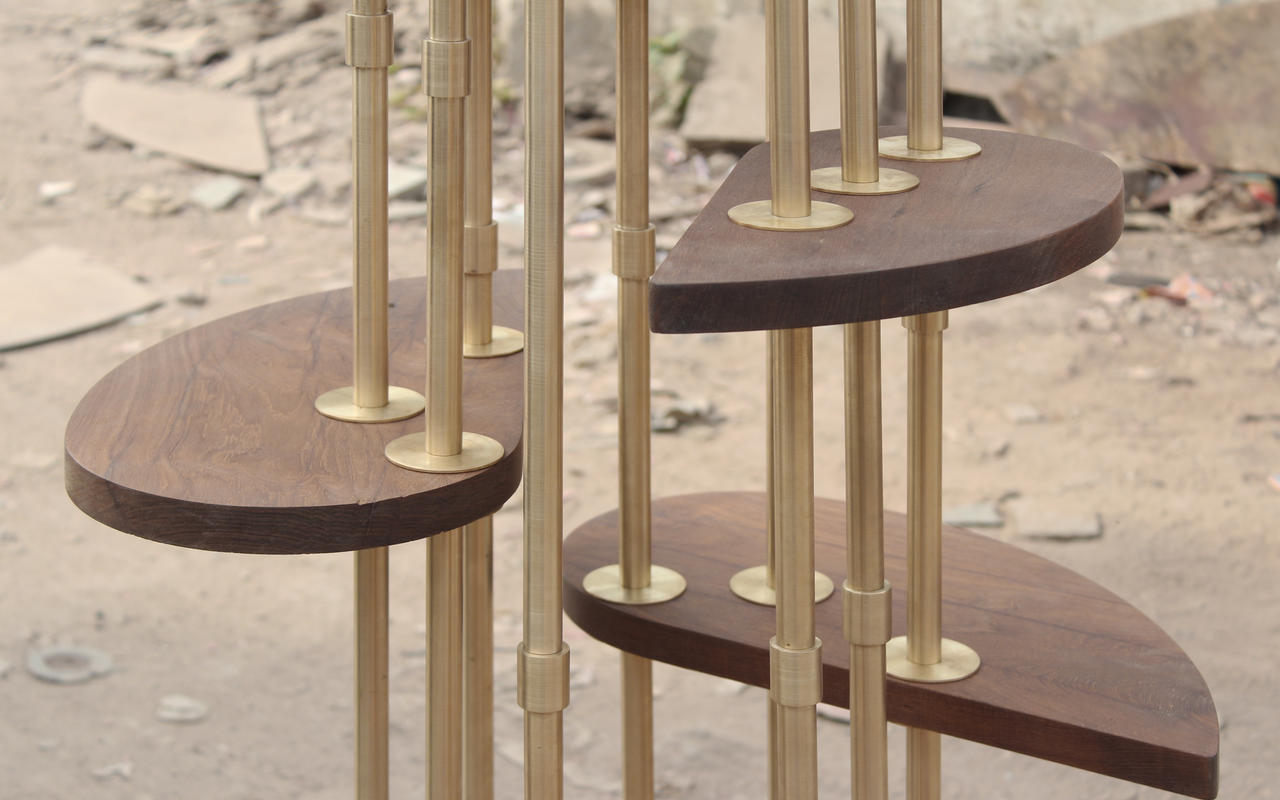
innovative constructions, invented and unique, implemented and seen in practice
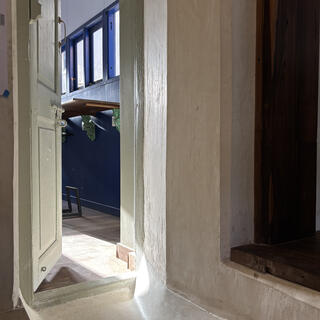
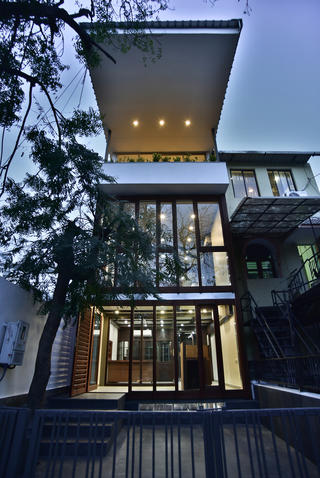
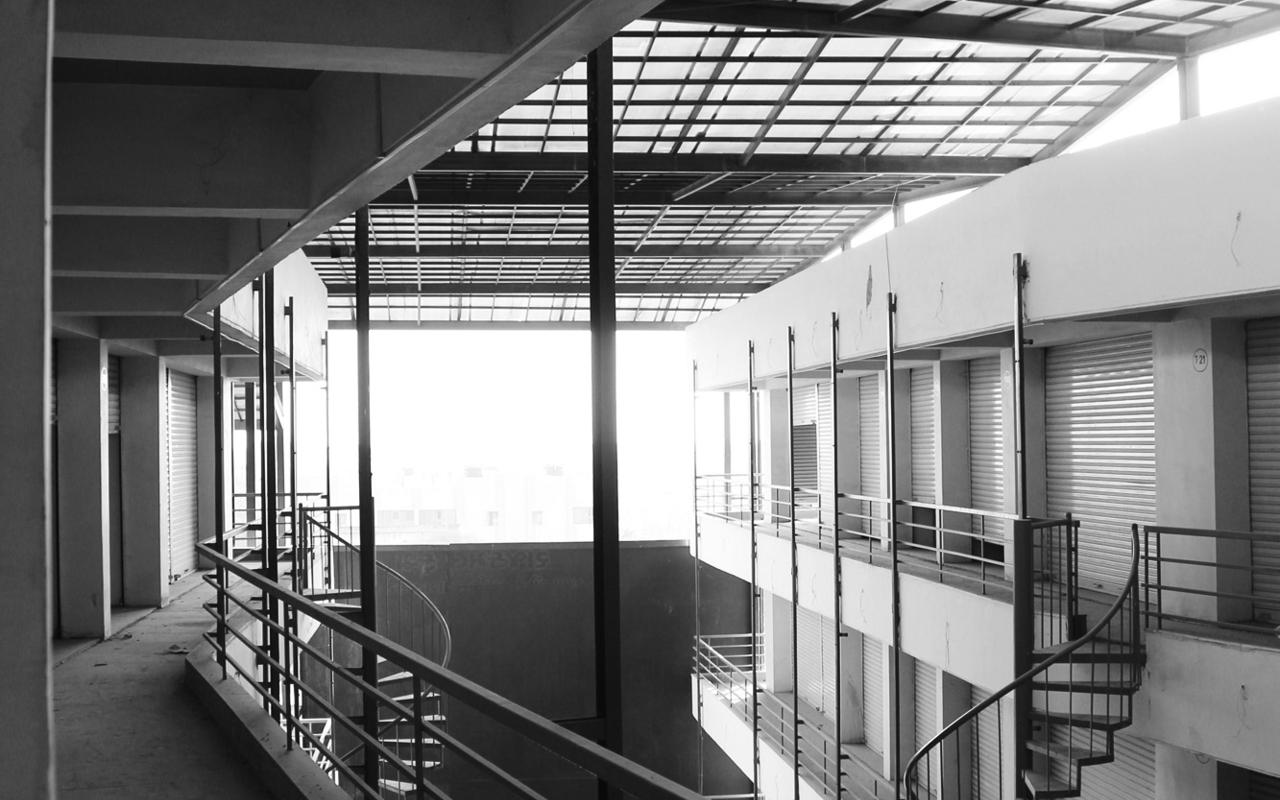
When architecture is repair it takes root in the imperfection of the existing condition, and the uncertainty of a projected outcome.
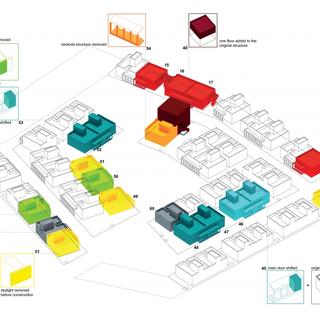
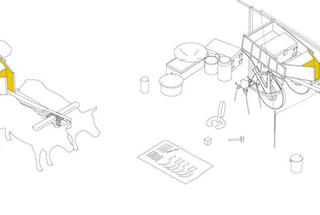
What does architecture as repair look like? It draws on readily available knowledge of shared resources, and calls for actors from a variety of backgrounds. Experience and reputation takes priority over formal education. To work with material in the mode of repair, the speed and ease of accessibility outweighs other considerations in material choice. Finally, repair suggests that materials are part of a cycle of use and reuse – remade and redeployed by the same actors in the same place for a long time – thereby muddying the distinction between what is repaired and what is new, and allowing “repair” to simultaneously imply both endurance and renewal. It is aspirational.

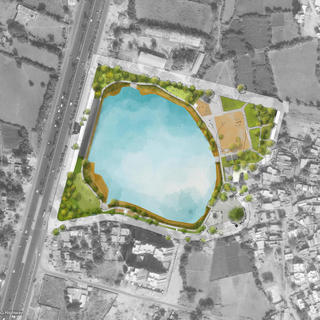
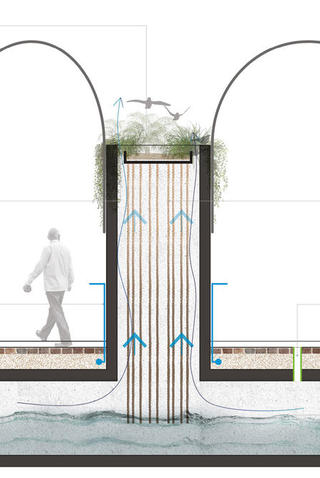
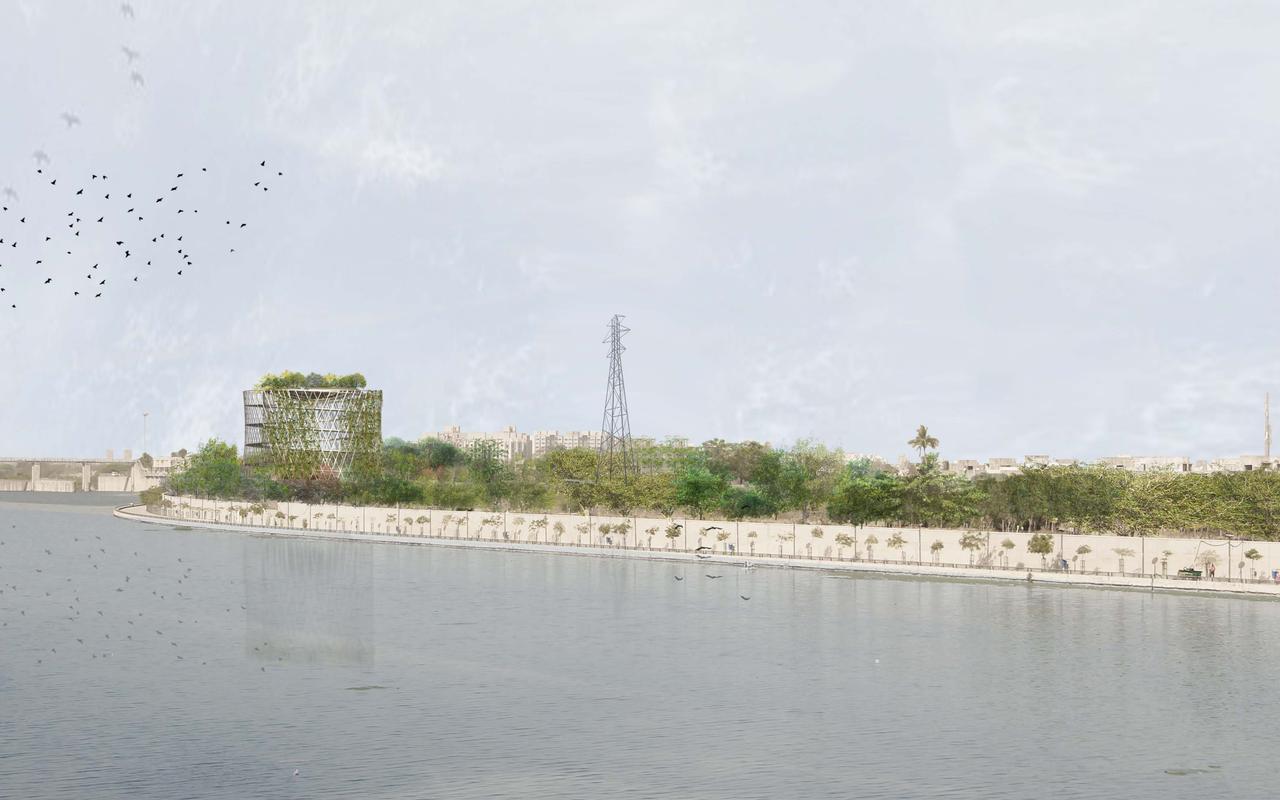
Indian cities are parched yet flooded. Monsoon rains dump torrents of water across ever concretising urban landscapes, which can soak less and less, leaving streets impassable for hours or days each time a storm rolls through. Yet in the summer, our reserves nearly dry out. Borewells dig ever deeper as water tables drop, and water sources cobbled together from river, canal, ground, frequently dry out. India has a deep reservoir of traditional water systems that make the most of the water scarce landscape. Today, we ignore that knowledge as we expand our cities faster and further, exacerbating the problems of the past.
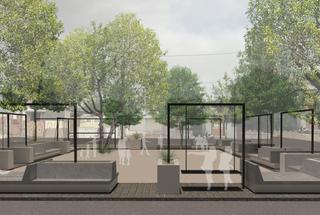
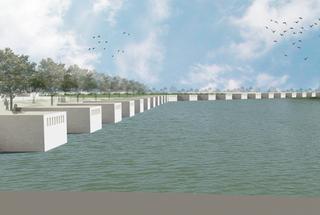
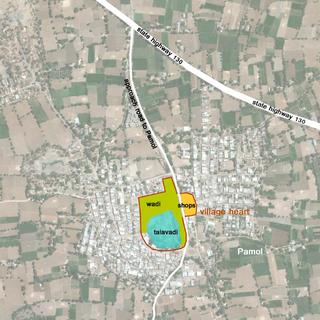
To work in the public realm is to work with water. To solve the problems of runoff and drainage, to bring water where it is needed, all while celebrating it as a center of public life.